



What Is the IKEA Effect?
In this article, we take a closer look at the phenomenon known as the IKEA Effect — what it is and how it influences consumer behavior. While the term itself may not be widely recognized by customers, its impact on e-commerce is significant.
The IKEA Effect was first described in 2011 by researchers Michael Norton, Daniel Mochon, and Dan Ariely. They conducted a series of experiments at Harvard Business School. The term comes from the Swedish brand IKEA, which lets customers assemble their own furniture — increasing their sense of connection to the product.
This mechanism is rooted in psychology. People assign greater value to items they’ve helped create.
Being involved in the creation process and feeling a sense of ownership leads customers to feel more emotionally connected to the product — and more willing to pay for it. One of the study’s key findings showed that participants valued the items they assembled themselves almost as highly as professionally made ones, highlighting how much people appreciate what they’ve personally built. [1]

Using the IKEA Effect in Marketing
The IKEA Effect is successfully applied in marketing strategies, especially in the e-commerce and retail sectors.
Companies are constantly looking for new ways to grow, attract customers, and invest in modern technologies and tools that drive higher user engagement.
Additionally, businesses continually analyze consumer behavior to optimize the purchasing process and build a stronger, more positive brand perception.
5 Effective Examples of Using the IKEA Effect in Marketing 👇
1️⃣ Personalization through product configurators
Engaging customers in the creation process by allowing them to customize product features (e.g. color, material, print) makes them feel more connected to their choice — and more willing to pay for it.
Clients we’ve worked with report that interest increased within days of launching their online configurator, and customers were purchasing even highly customized products through the tool.
2️⃣ DIY product assembly
Products that require self-assembly give customers a sense of satisfaction and ownership. IKEA and LEGO are classic examples of brands that let their customers participate in the final result, deepening their emotional bond with the product.
3️⃣ Loyalty programs based on activity
Reward systems that involve user effort (e.g. collecting points, completing challenges to unlock rewards) foster a stronger relationship with the brand and increase the likelihood of repeat purchases.
A great example is Biedronka’s annual sticker campaign, where children can receive plush toys after collecting stickers during purchases. The act of collecting and completing a booklet gives the reward added emotional value.
4️⃣ Interactive campaigns, product testing, and DIY workshops
These formats make brands more memorable and engaging.
In the 2024 “Let’s Be Neighbours” campaign, Milka sent out themed packages and offered branded chocolates with various designs — all centered around human and neighborly connections.
Consumers not only engaged in purchases but also embraced the relational message behind the campaign.
Online Configurator as a Tool to Reinforce the IKEA Effect
A product configurator allows customers to personalize an item according to their preferences by selecting colors, materials, features, or additional elements. As a result:
-
customers feel greater satisfaction with their purchase,
-
products are better tailored to individual needs,
-
brand loyalty increases,
-
customers are willing to pay more for a product they’ve “created” themselves — because the perceived value rises with the level of personal involvement.
According to Deloitte’s report “Made-to-order: The rise of mass personalization”, 42% of consumers are more likely to pay a premium for a product they can personalize. [2]

Today’s consumers increasingly expect the ability to personalize products.
Companies that offer customization options observe that customers are more likely to buy products they can tailor to their needs — and value them more highly.
That’s why an online configurator that enables self-guided personalization can significantly support purchase decisions and, in turn, increase conversion rates in online stores.
Examples of Using the IKEA Effect in E-commerce Through Online Product Configurators
More and more companies are incorporating product configurators into their sales strategies. Below are a few industry-specific examples showing how different sectors can benefit from implementing online personalization – and activate the IKEA Effect in the process.
More and more companies are using product configurators as part of their sales strategies.
Below are a few examples of industries that can benefit from this approach by implementing online personalization.
- In the fashion industry, an online T-shirt configurator can engage customers by allowing them to create their own unique designs — for example, by adding stickers, custom text, or choosing colors.
- In the furniture and home décor industry, a product configurator can offer either simple customization (e.g. selecting color, material, or dimensions) or advanced options for building a complete piece of furniture from scratch — including the number of shelves, types of drawers, layout of elements, compartments, and more.
- In the gift industry, customizable items like gaming accessories or personalized gift sets with dedications are highly appreciated. These products can be quickly and easily personalized through an online configurator, which enhances both the user experience and the product’s perceived value.
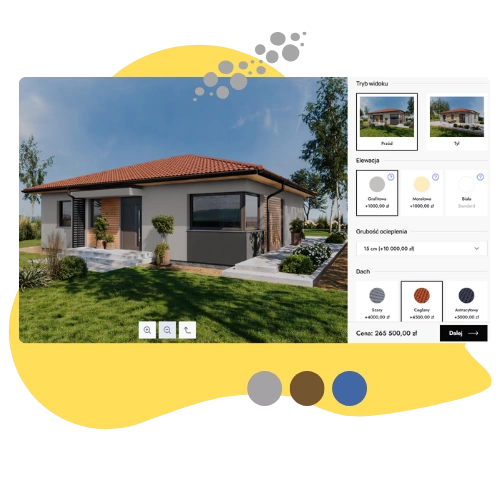
- In real estate, where clients often expect pricing and tailored home designs, an online configurator can engage users by guiding them through defining their individual needs — combined with a real-time 3D visualization of the proposed project.
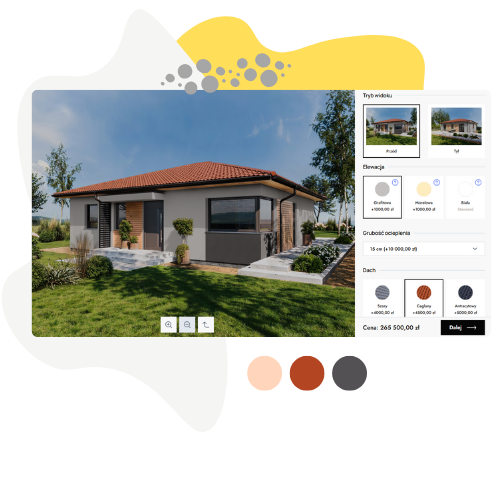
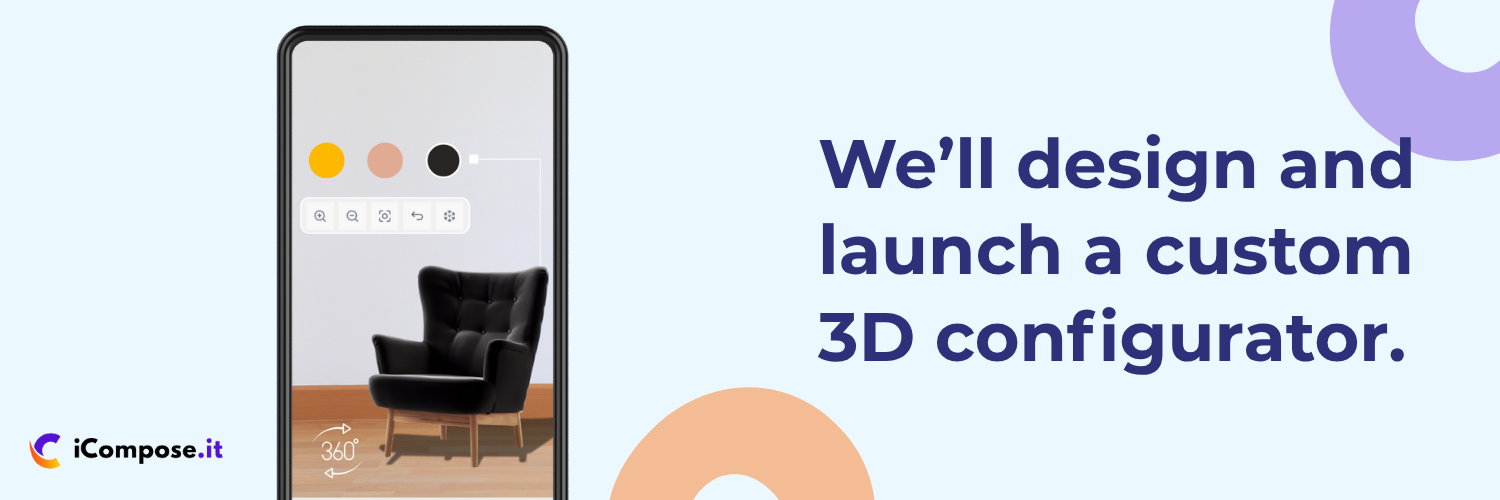
We’ll design and implement a tailored product configurator for your online store!
Every online configurator is different, but they all serve a similar purpose. Implementing a configurator in your e-commerce store helps guide customers through their purchasing decisions — and helps your business achieve its goals.
That’s why companies looking to leverage the IKEA Effect while meeting customer expectations can implement product personalization through a configurator. It allows users to customize products on their own — supporting differentiation in the market and building lasting customer relationships.
Check out our case studies!
References:
[1] https://www.hbs.edu/ris/Publication%20Files/11-091.pdf
[2]https://www2.deloitte.com/content/dam/Deloitte/global/Documents/Consumer-Business/gx-consumer-review-mass-personalisation.pdf